Many people dream of leaving their home country to start a new life in a safer, more stable, and opportunity-rich country. Canada remains one of the top destinations for newcomers because it offers temporary and permanent immigration pathways for different goals.
Canada provides excellent opportunities in education, employment, and long-term settlement. The first step in planning your move is understanding whether you need a Temporary Resident Visa (TRV) or a Permanent Resident (PR) Visa.
This guide explains the key differences between TRV and PR, the types of visas available, eligibility requirements, and the latest updates from Immigration, Refugees and Citizenship Canada (IRCC).
Important IRCC Updates for 2025
IRCC is introducing new measures to manage immigration levels:
-
Canada’s PR target for 2025 has been reduced to 395,000 admissions
-
Stricter screening of TRV applications to prevent misuse of visitor visas
-
Greater focus on genuine temporary intent
-
Language proficiency is becoming more important across PR pathways
Platforms like celpip.biz help applicants prepare for CELPIP, a key English test required for many PR programs.
What Is a Temporary Resident Visa (TRV)?
A Temporary Resident Visa (TRV), commonly known as a Visitor Visa, allows foreign nationals to stay in Canada for a short period.
TRV Allows:
-
Tourism
-
Family visits
-
Short business trips
TRV Does NOT Allow:
-
Long-term work
-
Long-term study
Most travelers need a TRV, except citizens of visa-exempt countries, who instead require an eTA (Electronic Travel Authorization).
TRV Validity and Stay Duration
-
TRV validity: Up to 10 years or until passport expiry
-
Maximum stay per visit: 6 months
-
Final length of stay is decided by a border services officer
Visitors cannot work or study long-term while on a TRV.
Types of Temporary Resident Visas (TRV)
Entry-Based TRVs
1. Single-Entry Visa
-
Allows one entry only
-
Must reapply after leaving Canada
-
Less flexible for frequent travelers
2. Multiple-Entry Visa
-
Allows unlimited entries while valid
-
Each visit up to 6 months
-
Valid up to 10 years
-
Most commonly issued TRV
Common Types of Temporary Resident Visas
Tourist Visa
-
For vacations or family visits
-
No work or long-term study allowed
-
From 2025, IRCC requires stronger proof of genuine tourism
Business Visitor Visa
-
For meetings, conferences, or short training
-
No employment in Canada
-
Usually requires invitation letters
Super Visa
-
For parents and grandparents of Canadian citizens or PRs
-
Valid up to 10 years
-
Allows stays of up to 5 years per visit
-
Requires:
-
Host income meeting LICO + 30%
-
Medical insurance of CAD 100,000
-
Transit Visa
-
For travelers passing through Canada
-
Valid for 48 hours
-
Usually free of charge
Diplomatic or Official Visa
-
For diplomats and government officials
-
No processing fee
-
Faster processing time
Birth Tourism Visa
-
For those traveling to Canada to give birth
-
Requires proof of:
-
Medical funds
-
Intent to return home after delivery
-
Temporary Resident Permit (TRP) – Important Note
-
Not a visa
-
Issued to otherwise inadmissible individuals
-
Used in exceptional cases (e.g., criminal inadmissibility)
What Is a Permanent Resident (PR) Visa?
A Permanent Resident Visa allows individuals to live, work, and study in Canada indefinitely.
Once approved, applicants receive:
-
Confirmation of Permanent Residence (COPR)
-
PR status upon landing in Canada
Benefits of Permanent Residency
-
Live and work anywhere in Canada
-
Access to public healthcare
-
Eligibility for social benefits
-
Apply for Canadian citizenship after 3 years of residency
PR Residency Obligation
To maintain PR status:
-
Must live in Canada at least 730 days within every 5-year period
Pathways to Canadian Permanent Residency
There is no single PR visa. Instead, Canada offers multiple immigration programs, grouped under:
-
Economic Immigration
-
Family Sponsorship
-
Humanitarian Programs
Express Entry System
Express Entry is Canada’s points-based system for skilled workers.
Main Express Entry Programs
Federal Skilled Worker Program (FSWP)
-
For skilled workers with foreign experience
-
Minimum 67 points required
-
Factors include:
-
Age
-
Education
-
Work experience
-
Language proficiency (CELPIP accepted)
-
Canadian Experience Class (CEC)
-
For individuals with at least 1 year of skilled Canadian work experience
Federal Skilled Trades Program (FSTP)
-
For skilled tradespeople
-
Requires:
-
Job offer, or
-
Trade certification
-
Provincial Nominee Programs (PNPs)
Each Canadian province and territory operates its own PNP to meet local labor needs.
Examples:
-
Ontario – Human Capital Priorities Stream
-
Alberta – Opportunity Stream
Most PNPs require:
-
A job offer, or
-
Strong ties to the province
Family sponsorship programs allow Canadian citizens and permanent residents to bring their close family members to Canada. These programs focus on long-term family reunification and stability.
Spousal, Partner, and Child Sponsorship
-
Canadian citizens and permanent residents can sponsor:
-
Spouses
-
Common-law partners
-
Dependent children
-
-
Sponsors must provide financial documents to prove they can support the sponsored family member.
-
Sponsored family members can live, work, and study in Canada as permanent residents.
Parents and Grandparents Program (PGP)
-
Allows citizens and PR holders to sponsor parents or grandparents.
-
Applications are selected through a random lottery system each year.
-
Sponsors must sign a 20-year financial undertaking to support the sponsored parents or grandparents.
-
Due to limited spots, many families also consider the Super Visa as a temporary option.
Business Immigration Programs
Business immigration programs are designed to attract investors, entrepreneurs, and self-employed individuals who can contribute to Canada’s economy.
Start-up Visa Program
-
For innovative entrepreneurs who want to start a business in Canada.
-
Requires support from a designated organization such as:
-
Angel investor groups
-
Venture capital funds
-
Business incubators
-
-
Successful applicants receive permanent residence.
Self-Employed Persons Program
-
For individuals with experience in:
-
Cultural activities
-
Sports
-
Farm management
-
-
Applicants must prove they can make a significant contribution to Canada’s cultural or economic life.
Caregiver Programs
Caregiver programs provide pathways to permanent residency for people working in home care roles.
-
Eligible occupations include:
-
Home Child-Care Providers
-
Home Support Workers
-
-
Applicants must complete two years of qualifying work experience.
-
Pilot programs such as the Home Child Care Provider Pilot allow caregivers to apply for PR after meeting work requirements.
Humanitarian and Other Immigration Pathways
Humanitarian programs support refugees and people in vulnerable situations while meeting labor market needs.
-
Canada will introduce new pathways in 2025 for:
-
Skilled refugees
-
Displaced individuals
-
French-speaking applicants outside Quebec
-
-
These programs balance protection with economic integration.
Regional Immigration Programs
-
Atlantic Immigration Program (AIP)
-
Rural and Northern Immigration Pilot (RNIP)
Both programs:
-
Require a valid job offer.
-
Support smaller communities facing labor shortages.
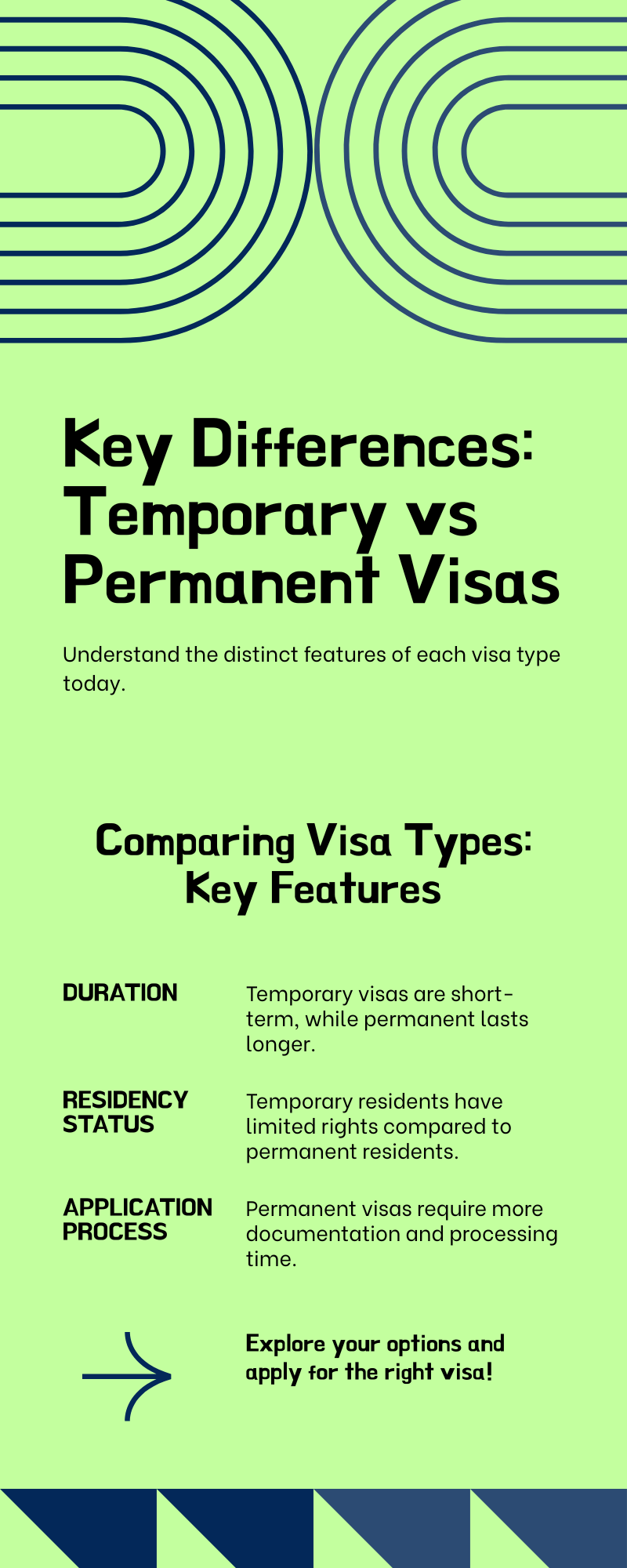
Temporary Resident Visa (TRV) vs Permanent Resident (PR) Visa
Temporary Resident Visa (TRV)
-
Valid for up to 10 years
-
Maximum stay of 6 months per visit
-
Used for:
-
Tourism
-
Business visits
-
Family visits
-
-
No work or long-term study rights
-
No direct path to citizenship
-
Stricter intent checks starting in 2025
-
Extensions possible in some cases
Permanent Resident (PR) Visa
-
Grants lifelong PR status (with residency obligations)
-
Issued with a Confirmation of Permanent Residence (COPR)
-
Allows living, working, and studying anywhere in Canada
-
Access to healthcare and social benefits
-
Eligible for citizenship after 3 years
-
PR card renewed every 5 years
-
New PR streams and lower admission targets in 2025
Eligibility Requirements
Who Can Apply for a TRV
Applicants must show:
-
Strong ties to their home country
-
Sufficient financial resources
-
Clear travel purpose
-
Good health and clean criminal record
Additional Super Visa requirements:
-
Private health insurance
-
Proof of sponsor’s income
Who Can Apply for Permanent Residency
Eligibility depends on the program, but generally requires:
-
Language test results (e.g., CELPIP, supported by celpip.biz)
-
Relevant education and work experience
-
Proof of settlement funds
-
Competitive CRS score for Express Entry
-
Job offer or provincial connection for PNPs
-
Canadian work experience for students via PGWP
How to Apply
How to Apply for a TRV
-
Apply online or through a Visa Application Center
-
Required documents:
-
Valid passport
-
Photos
-
Proof of funds
-
Invitation letter (if applicable)
-
-
Fees:
-
CAD 100 (visa)
-
CAD 85 (biometrics)
-
-
Processing time: 2–4 weeks (varies by country)
How to Apply for PR
-
Create an Express Entry profile on the IRCC website
-
Receive an Invitation to Apply (ITA)
-
Submit supporting documents:
-
Police clearance
-
Medical exams
-
Proof of funds
-
-
Application fee: CAD 1,365 per adult
-
Processing time: 6–12 months or longer
-
Other routes include PNPs, sponsorships, and humanitarian programs
Pros and Cons
Temporary Resident Visa – Pros & Cons
Pros
-
Easier and faster to obtain
-
Ideal for short-term travel
Cons
-
No work or study rights
-
Requires strong proof of temporary intent
Permanent Residency – Pros & Cons
Pros
-
Long-term stability
-
Access to benefits
-
Pathway to citizenship
Cons
-
Strict eligibility criteria
-
Longer processing times
Moving from Temporary to Permanent Status
There are several ways to transition from temporary to permanent residency:
-
Temporary Resident to Permanent Resident (TR-to-PR) pathways (when available)
-
Canadian Experience Class after gaining work experience
-
Provincial Nominee Programs through local job connections
-
Study-to-work-to-PR routes via PGWP
Final Thoughts
Choosing between a TRV and PR depends on your personal goals, experience, and long-term plans. Understanding the differences helps you select the right pathway and avoid costly mistakes.
Taking things step by step and preparing properly can make your Canadian immigration journey much smoother.